


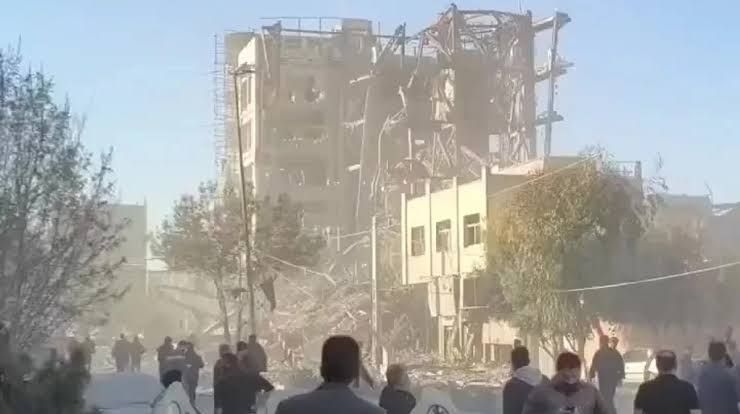
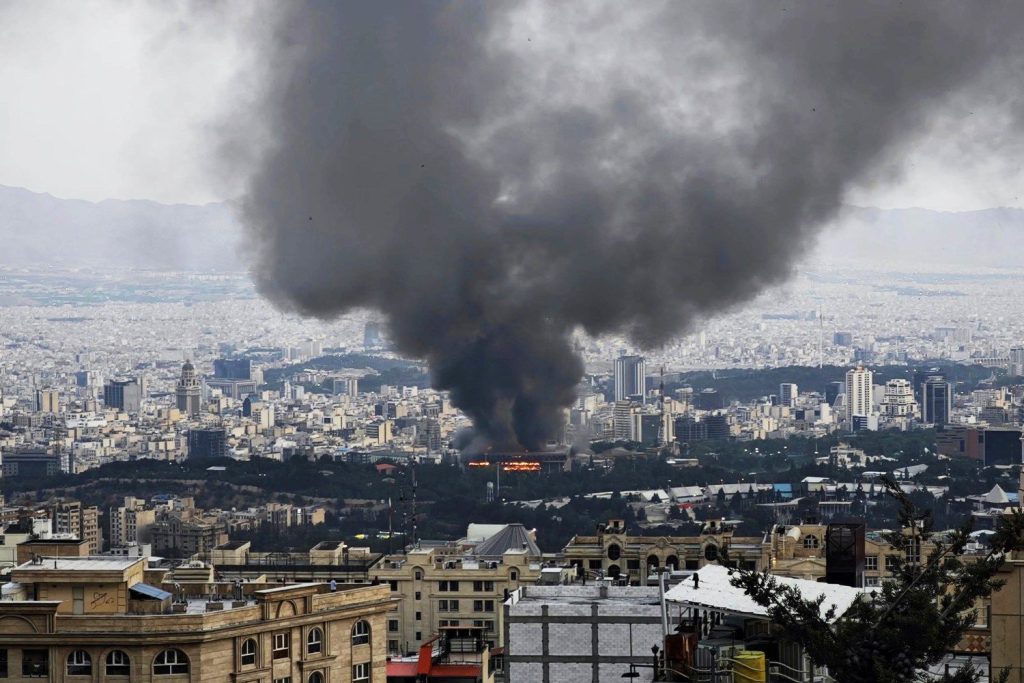
Israel has reportedly struck a building in the holy city of Qom where senior Iranian clerics had gathered to choose a successor to slain supreme leader Ali Khamenei, plunging the Islamic Republic’s leadership into deeper uncertainty amid a rapidly expanding regional conflict.
According to reporting from Fox News and the Times of Israel, the Israeli Air Force carried out the strike overnight, targeting a location where members of the powerful Assembly of Experts, the 88-member clerical body constitutionally tasked with selecting Iran’s next supreme leader,r were allegedly in the middle of counting ballots to appoint Khamenei’s replacement.
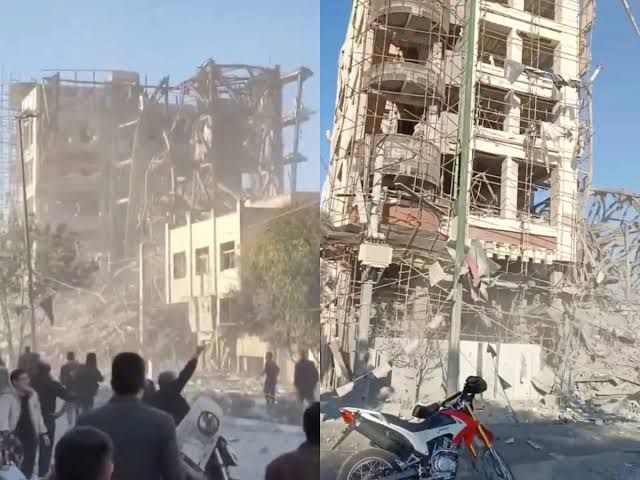
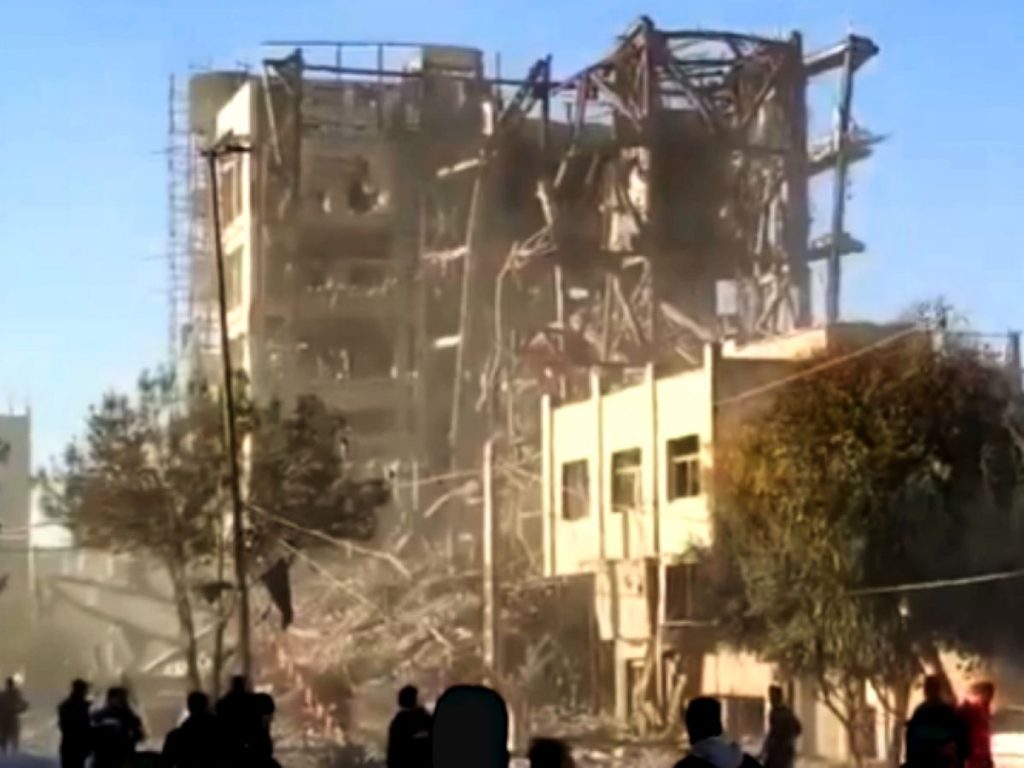
The Islamic Republic’s Assembly of Experts building in Qom was attacked on March 3, 2026.X/omiddana.19
Building “flattened” as Iran attempts to downplay the significance
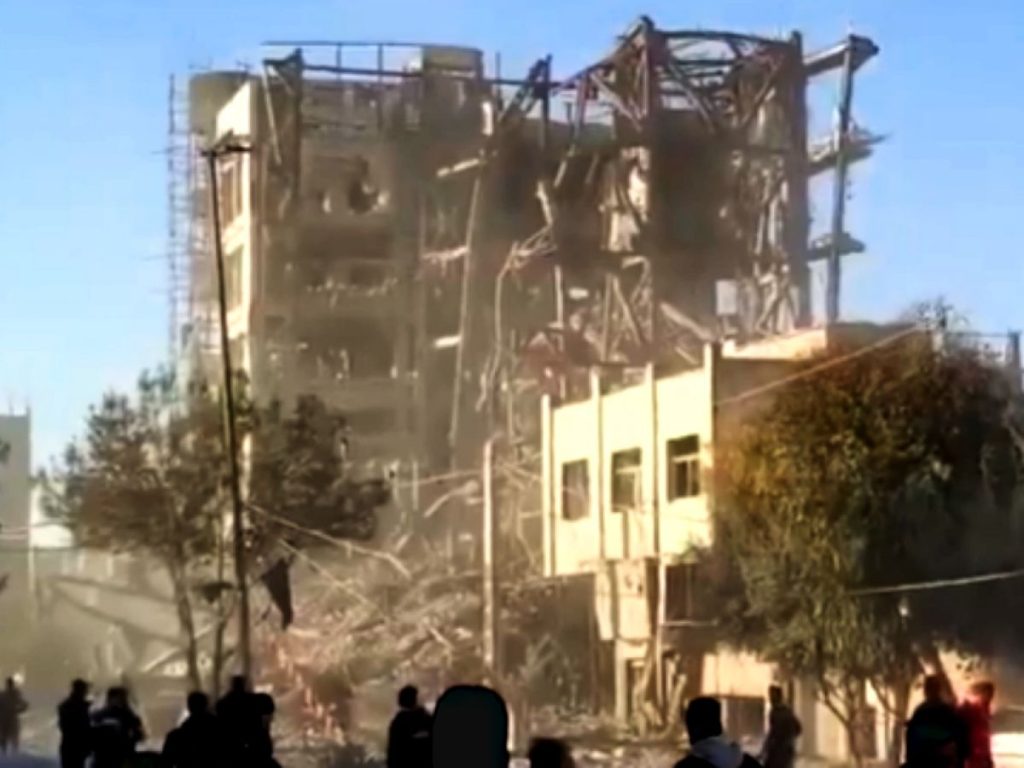
Viral images shared by Iranian accounts online show the targeted structure reduced to complete ruins, with only fragments of walls remaining upright. The Jerusalem Post reported that the building had been “flattened” by the impact of the strike.
Iran’s semi-official Mehr News Agency responded by claiming the targeted site was merely an old, unused facility that no longer hosted Assembly of Experts sessions, a statement widely viewed as an attempt to minimise the appearance of a major breach in regime security.
Despite Iran’s denial, the timing of the strike coinciding with the assembly’s internal vote has intensified speculation that Israel may have had precise intelligence on the location and schedule of the leadership meeting.
Unclear whether assembly members were inside when the strike hit
There has been no confirmation from Iranian officials regarding casualties, injuries or the presence of senior clerics inside the building at the moment of impact. Reports from Fox News and Times of Israel note that it remains unknown whether any of the 88 members of the Assembly of Experts were physically in the structure when it was struck.
If members were present, the operation would mark one of the most direct attempts to disrupt Iran’s succession process in the four decades since the establishment of the Islamic Republic.
A leadership crisis deepens after Khamenei’s death
The airstrike comes during an unprecedented power vacuum inside Iran. On Saturday, Khamenei was killed in coordinated U.S.–Israeli strikes targeting Tehran’s leadership compound — an event that triggered constitutional obligations requiring the Assembly of Experts to appoint a new supreme leader “in the shortest time possible.”
Although there is no fixed deadline, Iranian officials had signalled a swift selection. ISNA news agency quoted the assembly saying the process “won’t take long,” an indication that the clerical council hoped to project stability amid chaos.
The apparent targeting of the meeting site challenges that narrative and raises questions about how quickly Iran can proceed with the succession.
The Assembly of Experts: Iran’s most powerful unseen institution
While Iran’s president and parliament receive international attention, real power in the country lies with the supreme leader — and by extension, the Assembly of Experts, whose members are elected but vetted heavily by the regime.
The body rarely meets publicly and is known for operating discreetly, making the alleged strike on its gathering all the more remarkable. Any disruption to the assembly’s operations could slow the process of confirming Iran’s next supreme leader.
Strike intensifies Israel’s campaign against Iran’s governing core
If confirmed, the Qom airstrike reflects a broader shift in Israel’s operations this week. Israeli forces have expanded beyond missile sites and regime infrastructure to directly target nodes of political authority and succession mechanisms.
The timing of the strike just days after Khamenei’s death suggests Israel aims to maintain pressure on Iran’s leadership at the moment of maximum instability.
Iran’s response has so far included retaliatory missile and drone strikes, attacks on U.S. allies, and threats to close the Strait of Hormuz. But Tehran has not yet publicly acknowledged whether the Assembly of Experts’ selection process has been compromised.
A regime under strain
The strike adds further turmoil to a regime already shaken by the sudden loss of its supreme leader, unrest in several provinces, and a flurry of military escalations across the region.
With Iran’s leadership transition now shrouded in uncertainty and the integrity of the assembly’s meeting potentially compromised, experts warn that the coming days may determine the future direction of the Islamic Republic’s political system.
