


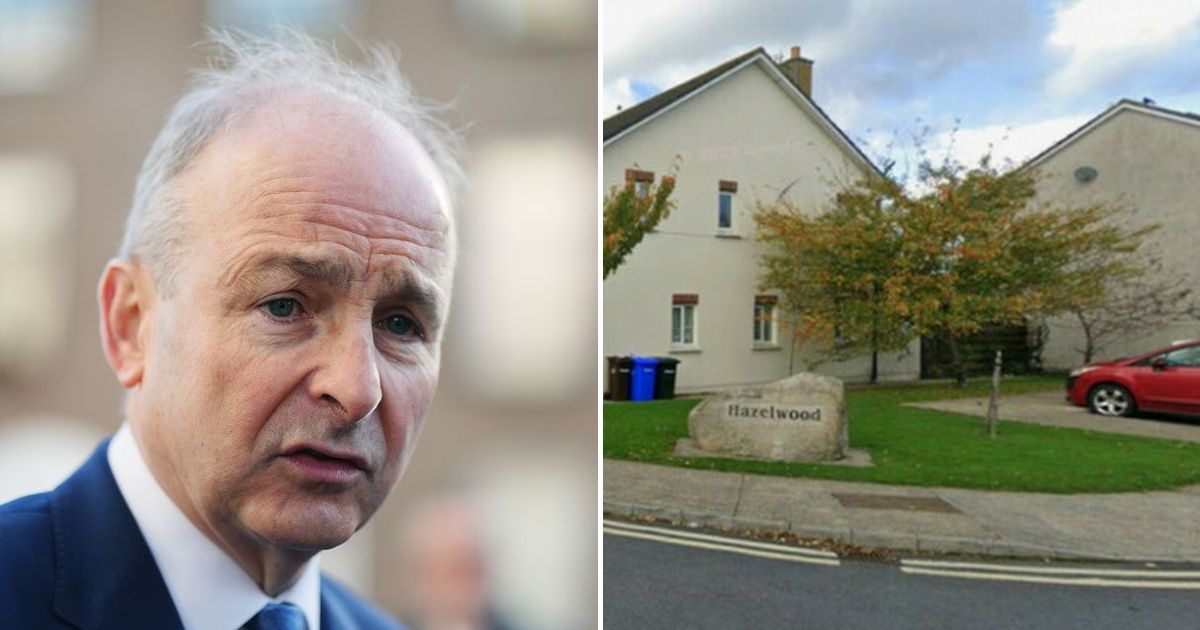
Around 100 residents at the Hazelwood estate in Bridgetown, Co Wexford, received notices of termination from the same landlord just two days before sweeping changes to Ireland’s rental sector came into effect. The Residential Tenancies Board is now investigating whether the notices are legally valid.
Taoiseach Micheál Martin has confirmed that eviction notices issued to 36 households at the Hazelwood estate in Bridgetown, south Co Wexford, were served before the government’s landmark new rental reforms came into force and said the Residential Tenancies Board (RTB) is now urgently examining whether those notices carry legal weight.
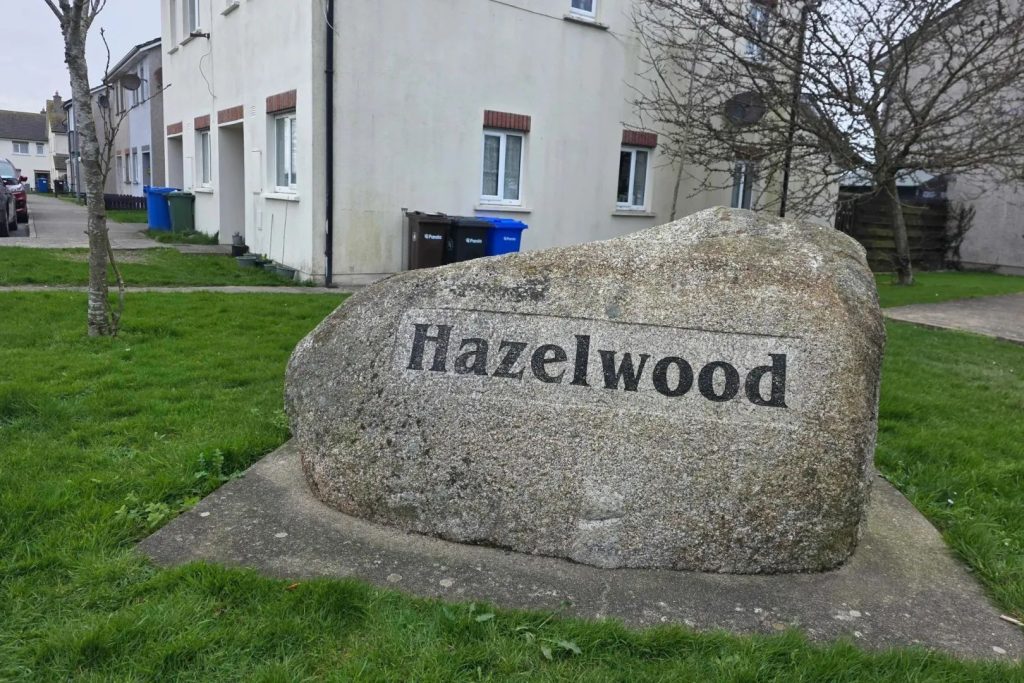
Around 100 residents received termination notices from the same landlord on a single Friday, just two days before wide-ranging changes to Ireland’s rental framework were implemented.
The timing has sparked fierce political controversy, prompted questions in the Dáil, and placed the government under pressure to demonstrate that its new housing protections have real teeth.
Martin Addresses the Dáil: ‘A Very Serious Concern’
Speaking in the Dáil, Taoiseach Martin described the circumstances surrounding the Wexford notices as a “very serious concern” and questioned the conduct of the landlord involved.
He told TDs that Housing Minister James Browne had requested the RTB to urgently engage with affected tenants to ensure their rights are upheld, and had also contacted Wexford County Council to provide additional support.
Martin said he had not yet received the RTB’s findings but pledged to work with the Housing Minister to review the report once it is available.
“These eviction notices came before the new rules. The legislation provides stronger tenant protections than the previous framework.”
The Taoiseach’s remarks came amid intense cross-party pressure over the future of the Hazelwood families, many of whom have no clear alternative housing options in the area.
Opposition Presses Government on Where Families Will Go
Sinn Féin leader Mary Lou McDonald challenged Martin directly, questioning where exactly the affected families are expected to go. She argued that assurances from Housing Minister Browne would not, in practice, keep the residents in their homes.

Labour leader Ivana Bacik went further, describing the situation as “appalling” and alleging that the introduction of the new rental rules had itself triggered a wave of notices to quit with landlords rushing to serve terminations before the stronger legal protections took effect.
Martin rejected that characterisation, insisting the Wexford notices predated the legislation and reiterating that the new framework provides enhanced protections that would not have been available under the old rules.
Browne Calls Claims ‘Misinformation’
On Monday, Housing Minister James Browne rejected suggestions that the new rental reforms had directly prompted the Wexford terminations, labelling such claims “misinformation.” He reiterated his concern over the case and pointed to new provisions specifically designed to close a loophole that had previously allowed landlords to reset rents for incoming tenants following a no-fault eviction.
Under the new legislation, even where a property changes ownership, landlords cannot use a sale as a mechanism to circumvent rent controls if the previous tenancy was ended through a no-fault eviction within the past two years. Browne confirmed that the proposed sale of properties in the Bridgetown case would still fall within these restrictions.
Harris: ‘Peculiar’ but Government Will Not Interfere
Tánaiste Simon Harris described the planned evictions as “peculiar” but said he was not in a position to comment in detail while the RTB review remains ongoing. Speaking to reporters outside Government Buildings ahead of a Cabinet meeting, Harris said Minister Browne was continuing to seek further information and that the government was mindful not to interfere with the RTB’s independent regulatory process.
Harris broadly defended the rental reforms, saying the new measures introduce six-year rolling tenancies that offer significantly greater security than those previously available to renters.
He acknowledged that the changes are complex but maintained that they represent a meaningful strengthening of protections against no-fault evictions, while also aiming to stabilise overall housing supply.
“There have been criticisms in both directions — from renters who say the reforms don’t go far enough and from landlords who argue they add pressure to the sector.”
Harris said the ultimate objective of the reforms is to increase housing supply and deliver long-term stability for both tenants and property owners.
RTB Investigation Underway
The Residential Tenancies Board has confirmed it is examining the notices of termination issued at Hazelwood estate to determine whether they are legally valid under both the old and new legislative frameworks. Given the tight timeline, he notices were served just 48 hours before the new rules took effect, the question of whether they constitute a deliberate attempt to circumvent the incoming protections is central to the RTB’s inquiry.
Residents and their advocates have called for the notices to be ruled invalid, arguing that the landlord’s timing reveals intent to sidestep stronger legal obligations. Legal experts have noted that the outcome may hinge on precise definitions of when the new rules took effect and what constitutes a valid service of termination notice under the transitional provisions.
The case has become one of the earliest and most politically charged tests of the new rental legislation and a focal point for the broader debate about whether Ireland’s housing reforms are being implemented rigorously enough to protect the most vulnerable tenants.
