


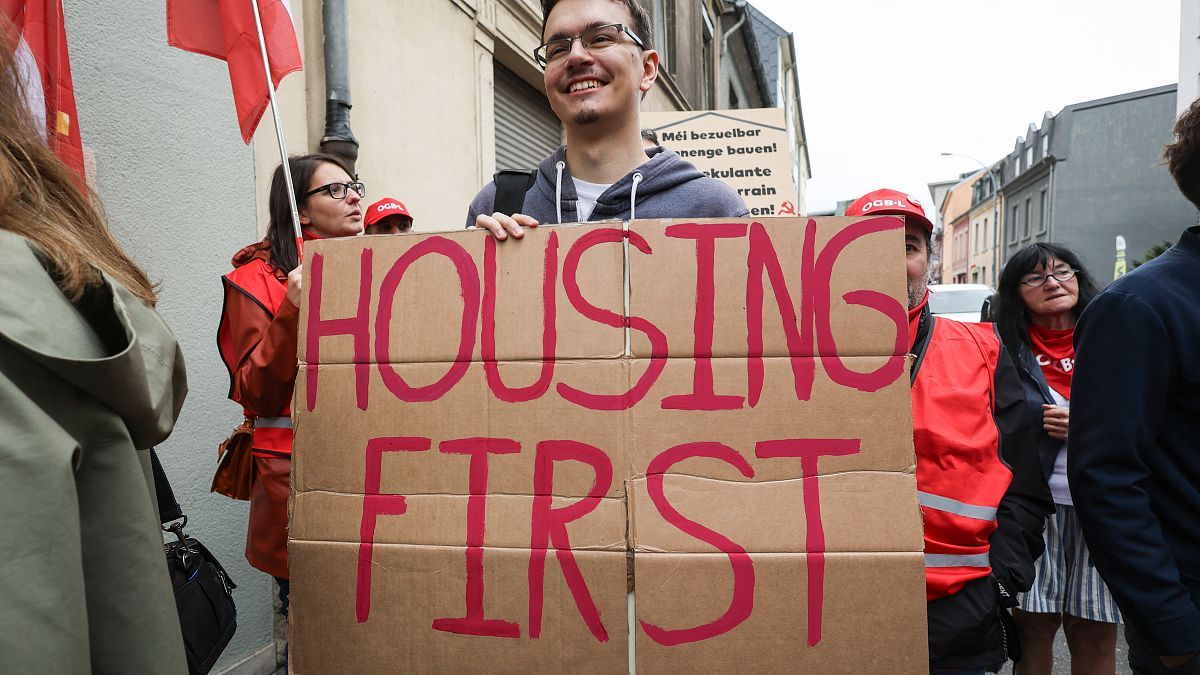
The European Commission has launched a wide-ranging housing initiative aimed at tackling rising rents, dwindling supply and growing pressure on households across the continent.
The announcement, made in Brussels this week, represents the EU’s most direct intervention in the housing sector to date and follows months of warnings from governments that affordability has reached crisis levels.
Commission officials say the plan is designed to support workers, young people and low-income families who have been increasingly priced out of cities over the past two years.
EU Pushes New Funding to Boost Supply
Central to the initiative is a proposal to unlock fresh investment for residential projects, with the Commission estimating that up to €10 billion could be mobilised between 2026 and 2028.
Member states would be encouraged to redirect parts of their cohesion funds and use EU guarantees to attract investors who have stepped back from the construction sector.
Officials acknowledge that the current market has failed to keep pace with population needs, and they describe the funding effort as an attempt to stabilise development after a period of high borrowing costs and stalled building activity.
A key focus of the roadmap is Europe’s substantial number of vacant homes. Around one-fifth of the continent’s housing stock is believed to be empty due to planning delays, unresolved ownership issues or the high cost of refurbishment.
Instead of prioritising large-scale suburban expansion, the Commission intends to push for the renovation and reactivation of these properties to quickly increase supply.
The plan also addresses the impact of short-term tourist rentals on long-term housing availability, particularly in major cities that have struggled to keep resident populations in central areas.
Short-Term Lets and Labour Gaps Highlight Structural Issues
While Brussels has avoided recommending an EU-wide crackdown on tourist lets, it supports giving local governments more authority to intervene where short-stay accommodation is affecting access to permanent housing.
A legislative proposal expected next year would allow cities to designate “pressurised zones” and apply targeted restrictions without facing accusations of regulatory overreach.
Another challenge identified is Europe’s shortage of construction workers. The Commission estimates that approximately 650,000 homes must be built each year for the next decade to meet demand.
To hit that target, the EU wants a major skills push involving the training or upskilling of up to three million construction workers by 2030, though officials acknowledge the scale of that ambition.
Labour constraints have slowed projects across the bloc, and the Commission argues that investment alone will not deliver new homes unless workforce shortages are addressed.
No EU-Wide Rent Caps as Member States Retain Control
One area the Commission has deliberately avoided is rent controls. Officials insist it is not the EU’s role to impose price caps and that national governments remain best placed to decide how to manage local markets.
A review of speculative activity in residential property, scheduled for 2026, is expected to produce the first EU-level data on investment trends and affordability pressures.
For tenants facing immediate hardship, the lack of direct pricing measures may prove disappointing, but policymakers argue that structural changes must come before regulation.
The Commission says the roadmap should be seen as a long-term effort to close chronic supply gaps and improve coordination among member states.
Analysts warn that the strategy will not bring rapid relief to residents in cities such as Madrid, Barcelona or Milan, where shortages are already severe.
However, officials believe the plan marks a turning point by establishing housing as a shared European priority rather than a collection of isolated national problems.
While the measures may take years to show impact, Brussels argues they represent the beginning of a coordinated push to restore stability in a market that millions of Europeans feel has drifted out of reach.
