


By Dayo Ade Olusola | M10News | 22 February 2026
YMCA Cornwall has completed the first of four self-contained flats aimed at supporting young people at risk of homelessness, though charity leaders warn that this is only a “slight drop in the ocean” compared with the county’s housing needs
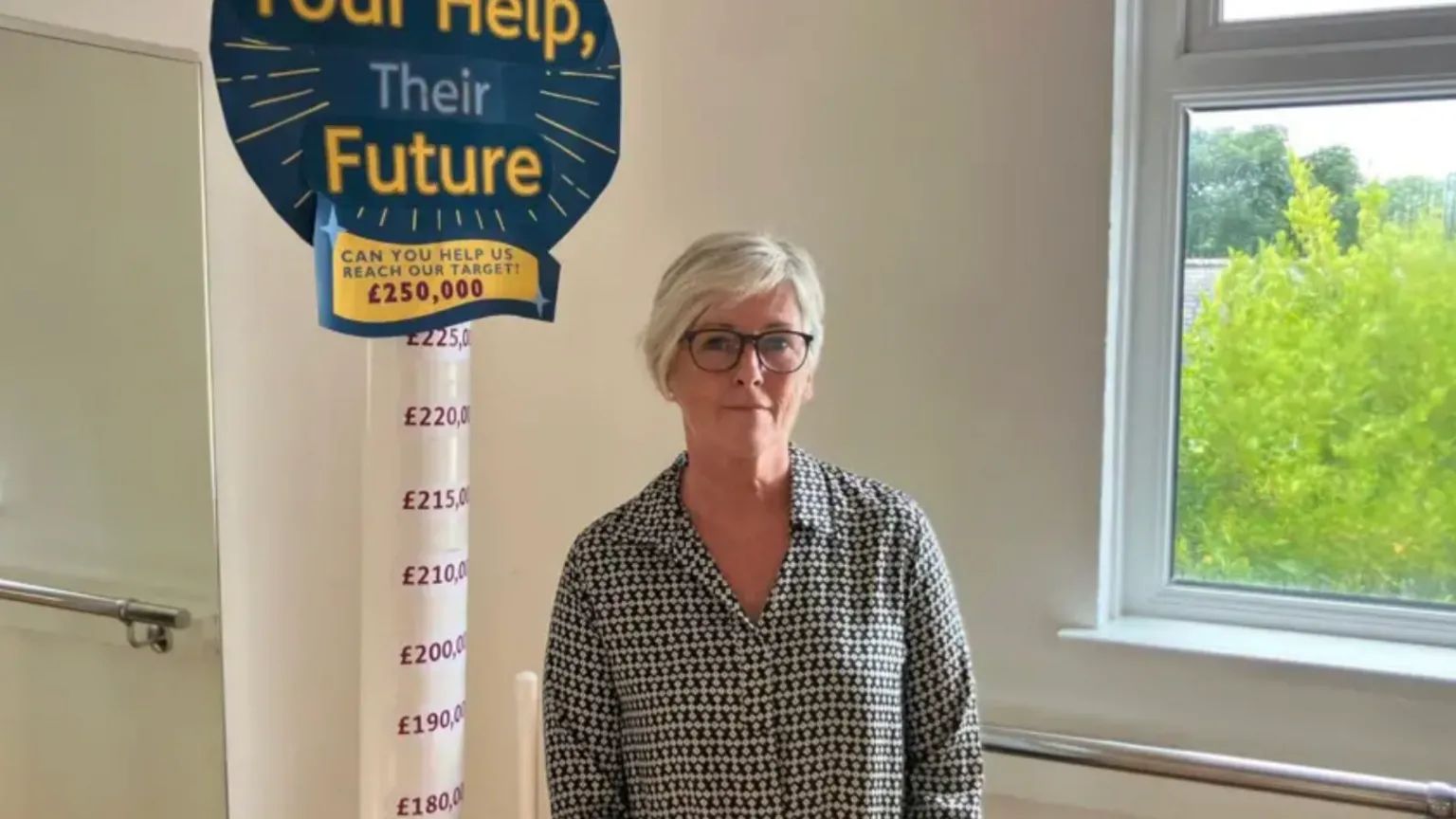
The charity raised £260,000 in nine months for the project, surpassing its original fundraising target. Helen Wilson-Prowse, Head of Operations at YMCA Cornwall, called the achievement “an important milestone” while stressing that Cornwall continues to face a critical shortage of affordable housing.
According to the Cornwall Council Housing Report, Q1 2026, demand for affordable homes far exceeds supply. Rents continue to surge, and the expansion of short-term holiday rentals has further reduced long-term rental availability.
YMCA Cornwall currently has 46 young people on its waiting list. The completed flat will immediately provide a safe home for one resident, while construction continues on the remaining three units.
The flats are designed for young people aged 16–24 and offer up to two years of accommodation alongside the charity’s “Independent Living” program, which teaches life skills such as budgeting, employment applications, and tenancy management.
Wilson-Prowse highlighted that the initiative addresses only a fraction of local need. “The need is urgent — looking at the housing situation for everybody across Cornwall. It is very challenging, but particularly for young people,” she said.
The YMCA views the project as the first phase of an expanded housing program, aiming to secure additional funding and partnerships to deliver more units in the future.
Residents will receive tailored support, including educational mentoring, employment guidance, and life skills workshops, helping them transition successfully to independent living.
Providing both accommodation and structured life skills aligns with best-practice recommendations from housing policy experts, who emphasise holistic support for young people leaving care or at risk of homelessness.
Cornwall’s housing shortage is compounded by the rapid growth of short-term holiday rentals. Data from Cornwall Council indicates a 12% reduction in long-term rental availability in key towns over the past three years.
The flats are strategically located near public transport, schools, and employment hubs to ensure accessibility for residents while reducing social isolation.
YMCA Cornwall’s fundraising success relied on a combination of individual donations, grants, and local business support, reflecting strong community backing for youth housing initiatives.
Community volunteers play a critical role, assisting with mentorship, workshops, and ongoing support throughout the 24-month accommodation period.
The project also addresses mental health challenges. Stable housing is linked to improved wellbeing, reduced anxiety, and better educational outcomes for young people experiencing housing instability.
Each flat is fully self-contained, giving residents privacy while maintaining access to shared support services. This model fosters independence while ensuring supervision and safety.
The initiative demonstrates how targeted, community-led housing projects can complement government efforts to expand affordable housing, particularly in counties with acute shortages.
Young people remain especially vulnerable in Cornwall due to limited income, rising rents, and difficulty accessing social housing. YMCA Cornwall’s flats provide crucial early intervention to break cycles of homelessness.
Local policymakers have highlighted the importance of community-based housing projects as part of a broader strategy to tackle Cornwall’s housing crisis. Such projects can relieve pressure on councils and reduce youth homelessness.
Phase 2 of the project is already being considered, potentially adding more flats or small-scale supported housing units in areas with the highest unmet demand.
Residents moving into the flats will receive structured support plans, including vocational training, educational mentoring, and counselling, bridging the gap between temporary accommodation and full independence.
YMCA Cornwall’s project raises awareness of the social and economic challenges facing young people in the county, encouraging collaboration among charities, local government, and private investors.
Success metrics for the project include residents’ transition to independent living, employment rates, educational attainment, and reduced reliance on emergency accommodation.
The project demonstrates how localized interventions can deliver measurable social benefits, even in counties with severe housing shortages.
YMCA Cornwall continues to advocate for stronger policy support, increased investment in youth accommodation, and collaborative initiatives to meet long-term demand for safe and affordable housing.
By combining accommodation, mentoring, and skills training, the charity aims to break the cycle of youth homelessness and equip young residents with tools to thrive independently.
The Holistic Approach: Beyond Four Walls
The initiative addresses more than just shelter; it tackles the root causes of youth instability. Residents benefit from:
- Mental Wellbeing: Reducing anxiety and social isolation associated with housing instability.
- Economic Independence: Utilizing a 24-month “Independent Living” program bridging the gap to employment and education.
- Community Resilience: Leveraging a network of local donors and volunteers to mentor residents.
The Road Ahead: Phase 2 and Policy Advocacy
With 46 high-priority individuals still waiting, YMCA Cornwall is already planning Phase 2. Success will be measured using clear metrics: educational attainment, employment rates, and successful transition to permanent housing. The project serves as a model for local policymakers, showing how community-led initiatives can ease pressure on council resources during acute housing crises.
Metrics at a Glance
- Funding Raised: £260,000 in nine months
- Target Demographic: Young people aged 16–24 at risk of homelessness
- Stay Duration: Up to 2 years with “Independent Living” support
- Current Waitlist: 46 high-priority individuals
