


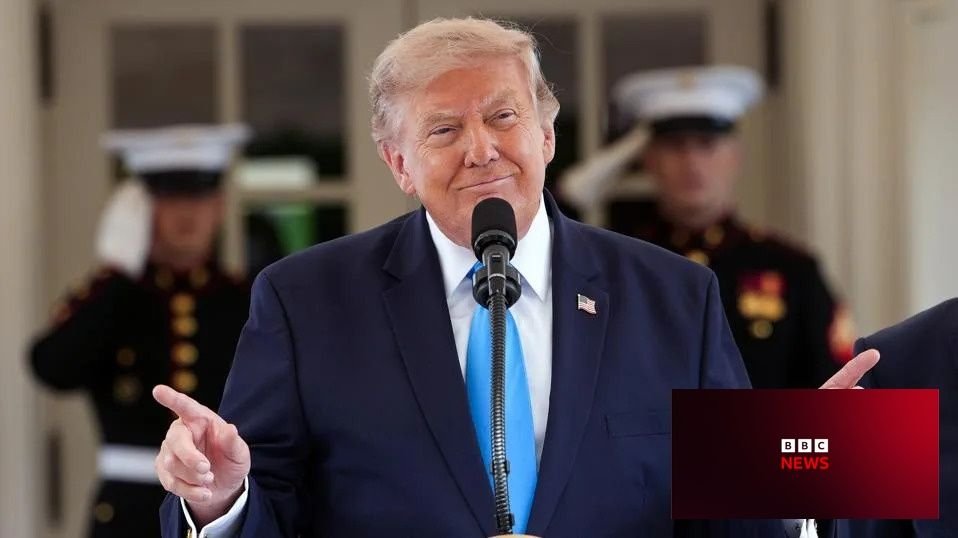
WASHINGTON — President Donald Trump has been given permission to narrow his defamation lawsuit against the BBC, potentially limiting the financial information the broadcaster can seek as it defends itself against his claims.
US District Judge Roy K. Altman ruled Monday that Trump can file an amended complaint in the case, which centres on the BBC’s editing of a 2024 documentary featuring footage from his speech to supporters on January 6, 2021.
Trump originally claimed that the documentary damaged both his personal reputation and his business interests. Under the amended lawsuit, however, he will focus solely on alleged harm to his reputation.
The change comes as the BBC has sought extensive financial records from a trust that holds Trump’s assets. The broadcaster argued that the documents could help establish whether the president suffered the level of financial damage claimed in his original lawsuit.
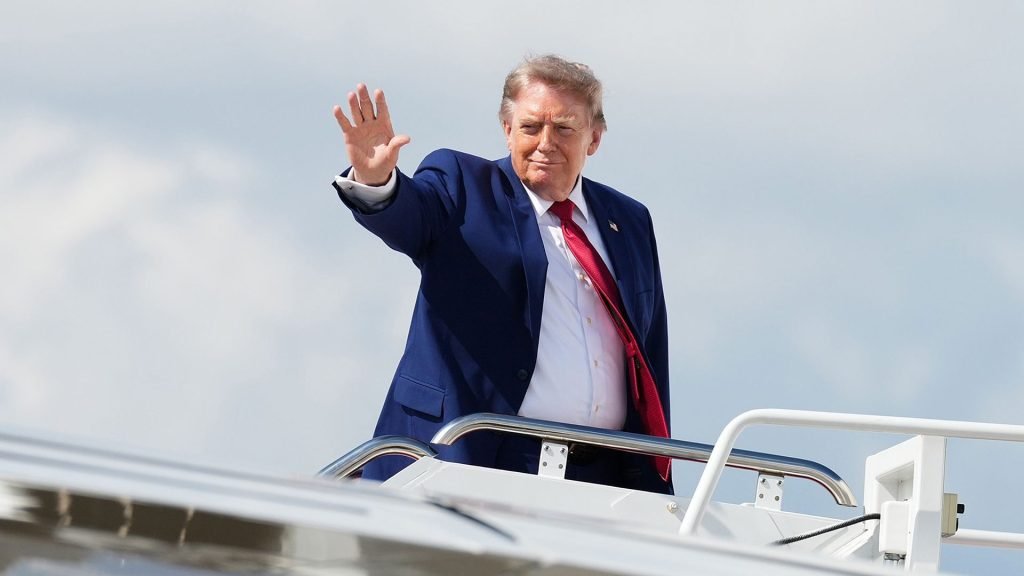
Trump had initially sought about $10 billion in damages, making the financial records potentially significant to the case. The BBC’s request included information concerning hundreds of companies and assets connected to Trump’s business empire.
By removing the claims relating directly to his businesses, Trump’s legal team can argue that much of the requested financial information is no longer relevant to the dispute.
Judge Altman nevertheless made clear that the question of what documents Trump and his trust must provide has not been completely resolved. The court will still have to determine how the amended complaint affects the BBC’s ability to obtain financial records during the discovery process.
The judge said Trump had demonstrated sufficient grounds to amend his lawsuit, noting that information relevant to changing the complaint had become available only more recently.
Trump was ordered to submit the amended complaint on Monday.
Dispute Over January 6 Speech
The lawsuit stems from a 2024 episode of the BBC’s Panorama programme that examined the events surrounding the January 6 attack on the US Capitol.
Trump argues that the documentary edited portions of his speech in a way that created a misleading impression about what he told supporters that day.
The BBC documentary presented Trump’s comments about marching to the Capitol alongside his later remarks in which he urged supporters to “fight like hell”.
Trump’s lawyers argue that the editing made it appear as though the two statements were delivered together, potentially portraying him as directly encouraging violence.
The BBC has previously apologised for the editing, acknowledging that the programme created a misleading impression about Trump’s remarks. However, the broadcaster has rejected the allegation that the editing amounted to defamation.
Financial Records at Centre of Dispute
The legal battle over Trump’s financial information has become a significant part of the case.
A previous ruling by Magistrate Judge Lett required Trump’s trust to begin providing financial documents to the BBC. Trump’s legal team challenged that decision, arguing that handing over sensitive records before the dispute over the amended complaint was resolved could not easily be reversed.
Altman subsequently paused the disclosure while the court considered Trump’s request to modify his lawsuit.
The documents sought by the BBC reportedly include information concerning the value of Trump’s assets, tax records and businesses associated with the president.
Some information could potentially remain relevant even after Trump’s business-related claims are removed. The BBC has argued that Trump’s public reputation and his commercial interests are closely connected, particularly where licensing and other agreements rely on his public profile.
The broadcaster could therefore continue to argue that certain business records are relevant to determining whether Trump’s reputation suffered financial consequences.
BBC Faces Narrower Case
Although the BBC opposed Trump’s attempt to amend his complaint, Judge Altman noted that the change could also benefit the broadcaster.
Removing claims involving Trump’s businesses reduces the potential scope of damages that could ultimately be awarded if Trump succeeds.

The amended lawsuit may also allow the BBC to concentrate its legal challenge on what it considers the central issues in the case, including whether the documentary’s editing was defamatory and whether Trump can establish actual harm to his reputation.
The BBC has not publicly commented on Monday’s ruling.
Trump Lawsuit Continues
Trump filed the lawsuit in December following the controversy surrounding the Panorama documentary.
The BBC acknowledged that its editing of Trump’s January 6 speech was flawed and said it regretted the way the programme had presented his remarks. However, it has maintained that the incident does not amount to legal defamation.
The case will now continue with Trump’s narrower complaint.
The next major dispute is likely to centre on what financial and other evidence the BBC can obtain under the revised claims. That question could determine how much of Trump’s business information remains relevant as the defamation case moves forward.
For M10News, the case highlights the continuing legal consequences of the January 6 speech and the increasingly complicated dispute between Trump and one of the world’s largest public broadcasters.
