


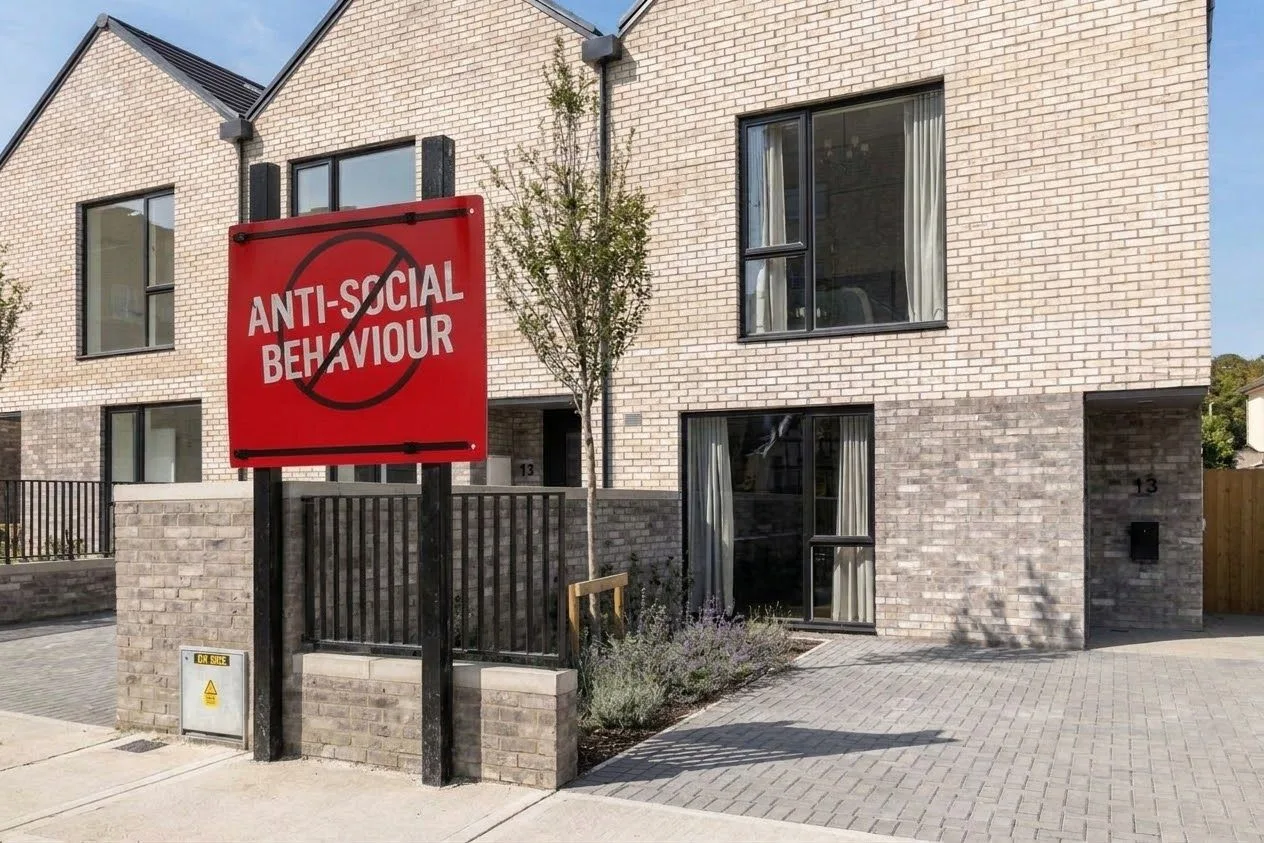
The Legal Aid Agency has updated its guidance on civil and criminal legal aid following the introduction of Respect Orders, youth injunctions and housing injunctions, including new requirements for claims and planned changes to payment rates.
Legal aid arrangements in England and Wales have been updated following the replacement of the previous anti-social behaviour injunction regime with Respect Orders, youth injunctions and housing injunctions.
The changes clarify how legal aid providers can claim funding for applications for the new orders and for cases involving breaches. They also set out the codes providers must use and explain how legal aid work is expected to be remunerated.
The Legal Aid Agency confirmed that civil legal aid will be available for applications for Respect Orders, youth injunctions and housing injunctions, while criminal legal aid will be available for breaches of these orders.
The changes follow the introduction of the new Respect Order regime on 26 October 2026.
Three types of orders replace the previous injunction regime
Anti-social behaviour injunctions under Part 1 of the Anti-social Behaviour, Crime and Policing Act 2014 have been replaced by three types of orders:
- Respect Orders: These strengthen the existing anti-social behaviour injunction regime and introduce additional enforcement powers.
- Youth injunctions: These continue to address anti-social behaviour involving children and young people.
- Housing injunctions: These continue to deal with anti-social behaviour in housing-related cases.
One significant change is that breaching a Respect Order is now a criminal offence. The introduction of these orders therefore affects both civil proceedings to obtain an order and criminal proceedings where an order is breached.
The Legal Aid Agency has updated its guidance to explain how providers should claim for work involving the new orders.
Civil legal aid: Which claim codes should providers use?
Providers should use the existing Part 1 Injunction codes when claiming civil legal aid for Respect Orders, youth injunctions and housing injunctions.
For legal help, the correct codes depend on the contract under which the work is funded.
Under the civil contract, cases funded as miscellaneous work should use matter type 1 code XASB and fee code MISCASBI.
For work claimed as associated civil work under the crime contract, providers should use stage reached code ASAS and fee code ASAS.
For legal representation, the required proceeding codes are:
- NU027/NU028 for civil providers.
- CR034/CR035 for crime providers carrying out the work as associated civil work.
The agency has directed providers to use these existing codes rather than assume that the introduction of the new orders requires an entirely separate set of civil legal aid claim codes.
Legal aid payment rates and the £157 fixed fee
The intention is for civil legal aid work involving Respect Orders, youth injunctions and housing injunctions to be remunerated on the same basis as the previous Part 1 Injunctions.
For legal help, the applicable fixed fee is £157.
For legal representation, the intended rates are those set out in Table 10(a) of Schedule 1 to the Civil Legal Aid (Remuneration) Regulations 2013.
However, the implementation of these payment arrangements differs between the types of order.
The specified rates apply automatically to housing injunctions and youth injunctions. Changes have not yet been made to apply the same remuneration rates to Respect Orders.
Subject to parliamentary approval, the government intends to bring legislation into force on 17 December 2026 to remunerate Respect Orders at these rates.
The planned rates will apply to Respect Orders commenced following their implementation on 26 October 2026.
The Legal Aid Agency has instructed providers to submit claims or bills for Respect Orders after 17 December 2026, using the specified codes. This is intended to ensure that the work is paid at the correct rate.
The December date is a planned implementation date and remains subject to parliamentary approval.
Criminal legal aid: Different rules apply to Respect Order breaches
The updated guidance also explains how providers should claim criminal legal aid for breaches of the different orders.
For breaches of youth injunctions, housing injunctions and Part 1 injunctions made before 26 October 2026, providers should continue to use the relevant PROV fee code.
The rules are different for Respect Orders because breaching one is a criminal offence.
For Respect Order breach cases, providers should use the relevant designated area or undesignated area standard fee code instead of a PROV fee code.
Claims for Respect Order breaches can be submitted from 26 October 2026.
These arrangements distinguish between the previous injunction system and the new Respect Order regime, ensuring that criminal legal aid claims are submitted under the appropriate fee structure.
Legal Aid Agency updates guidance for providers
The Legal Aid Agency has updated several guidance documents to reflect the introduction of Respect Orders, youth injunctions and housing injunctions.
The updated material covers both civil and criminal legal aid.
For civil legal aid, the guidance includes instructions on reporting legal help and mediation work through Submit a Bulk Claim, as well as guidance on proceeding codes.
For criminal legal aid, the updated guidance covers the 2025 Standard Crime Contract, applications for legal aid relating to anti-social behaviour injunction breaches, the Criminal Bills Assessment Manual, the Criminal Legal Aid Manual and reporting crime lower work through Submit a Bulk Claim.
Providers are also directed to the relevant guidance for claims submitted through Submit a Bulk Claim and the Client and Cost Management System (CCMS). They must ensure that work is claimed using the appropriate codes and under the revised rules.
What the changes mean for housing
The announcement has a direct connection to housing-related legal proceedings because housing injunctions remain available for anti-social behaviour cases involving housing.
The changes also affect legal aid providers representing people in proceedings involving these orders. The updated guidance clarifies the funding routes, fee codes and payment arrangements that apply to applications and breaches.
However, the announcement primarily concerns legal aid administration and remuneration. It does not itself introduce a new rent policy or change general tenancy rights.
The changes apply to England and Wales and should not be interpreted as a change to legal aid or housing rules in Ireland.
Source: UK Government — Introduction of Respect Orders, Youth and Housing Injunctions.
Related announcement: Respect Orders launch targeting anti-social behaviour offenders.
