


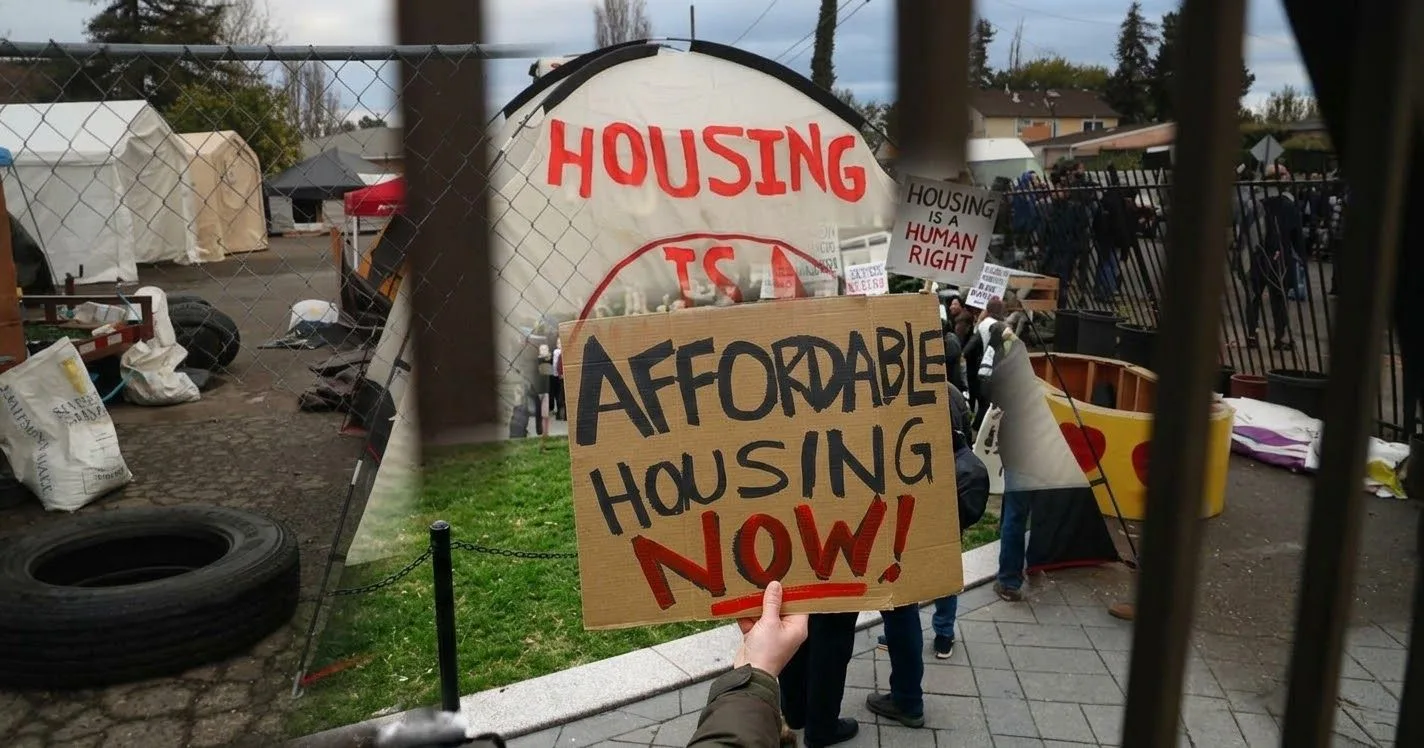
Ireland’s housing affordability crisis is emerging as one of the major concerns influencing how young people view their future, with new research showing that almost seven in 10 young adults are considering moving abroad.
A survey commissioned by the National Youth Council of Ireland (NYCI) and conducted by RED C found that 68% of people aged 18 to 24 are considering moving abroad, while 71% believe they would have a better quality of life outside Ireland.
The findings were published as part of the NYCI’s latest research into the issues affecting young people in Ireland. Housing and affordability remain their main concerns, while worries about employment have also increased significantly.
Housing remains a major concern
The survey highlights the extent to which housing pressures are affecting young people’s expectations about establishing an independent life.
89% of respondents agreed that the housing crisis disproportionately affects young people, while almost nine in 10 said they had been negatively affected by the rising cost of living.
The research also found that nine in 10 young adults believe it is becoming harder to find secure, well-paid employment.
Alongside housing and employment, transport costs and mental health were identified as other significant concerns.
NYCI said the findings should act as a warning that many young people feel their ability to build a secure and independent future is becoming increasingly difficult.
Emigration remains significant
The survey results come against the backdrop of continued emigration from Ireland.
Central Statistics Office figures show that an estimated 62,500 people emigrated from Ireland in the year to April 2026. Among them were approximately 19,900 people aged between 15 and 24.
Looking specifically at Irish citizens, 35,400 emigrated during the same period, while 30,200 returned to Ireland. That means the number of Irish citizens leaving was still higher than the number returning, although the difference was narrower than in previous years.
These figures provide important context to the NYCI findings. Considering emigration and actually leaving Ireland are not the same thing, but the survey indicates that a substantial proportion of young adults are contemplating the possibility.
Housing pressure continues
The wider housing situation remains severe.
Official Department of Housing figures show that 17,885 people were living in emergency accommodation in August 2026, including 5,830 children. The total represented a new record and was an increase from 17,527 people in July.
For younger people attempting to move out of the family home, establish financial independence and eventually purchase a property, housing costs are therefore a significant part of the wider economic pressure they face.
The NYCI survey does not establish that housing alone causes young people to emigrate. Instead, its findings point to a combination of housing affordability, the cost of living and concerns about secure employment shaping young people’s views about their prospects in Ireland.
A changing view of Ireland’s future
The latest research suggests that emigration is not simply about young people seeking opportunities overseas. For many respondents, the decision is connected to whether they believe they can achieve financial security and an independent life at home.
With 68% of 18–24-year-olds saying they are considering moving abroad, the findings indicate that the affordability of housing and the wider cost of living are becoming increasingly important factors in how young people assess their future.
At the same time, the CSO figures show that thousands of Irish citizens continue to return each year, demonstrating that emigration does not necessarily represent a permanent departure from Ireland.
The challenge for policymakers is therefore not simply to track how many people leave or return, but to understand why young people are considering leaving in the first place.
For the NYCI, the latest figures point to a need for action on housing, living costs, employment and other barriers facing younger generations.
