


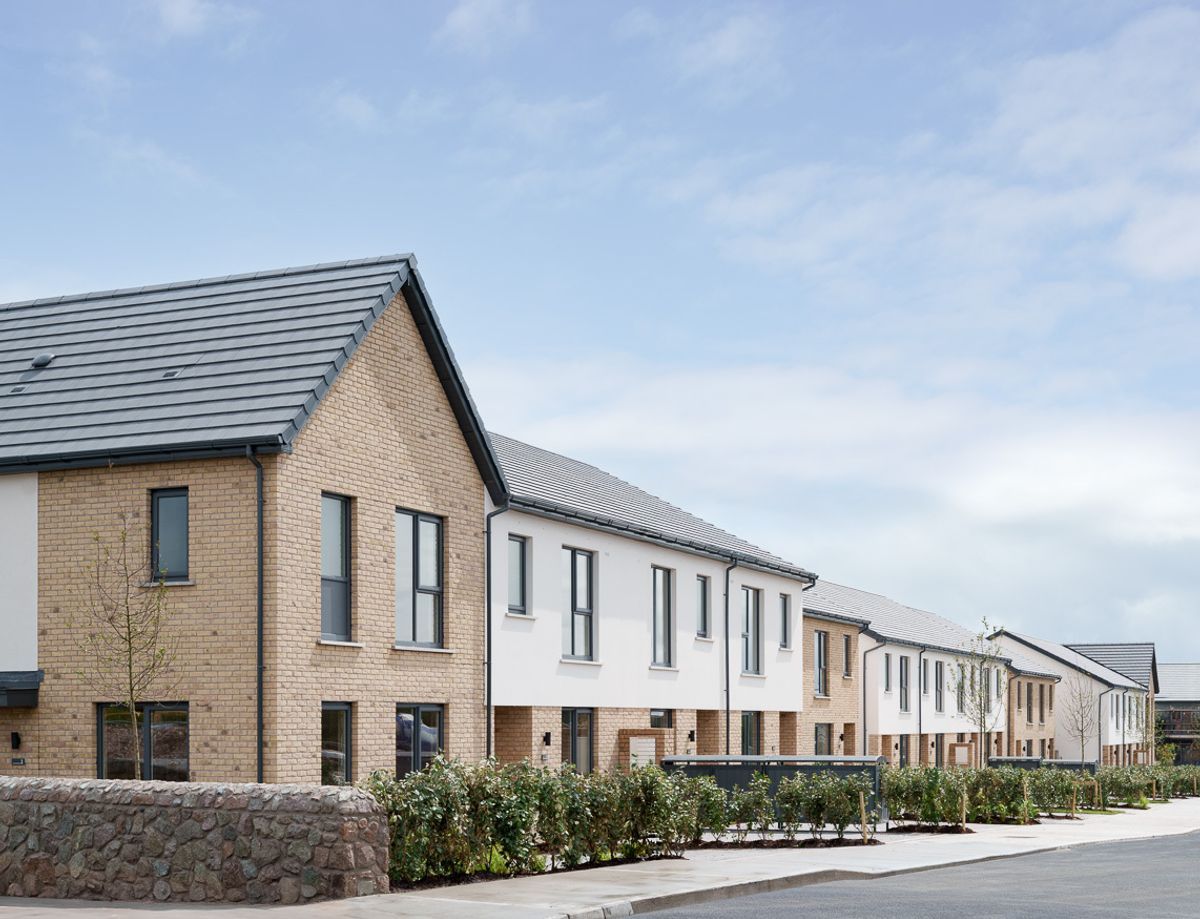
A couple earning a combined salary of €113,000 can only afford to buy a new three-bedroom semi-detached home in one out of four locations surveyed — Cork — according to a major new property report published today, as affordability pressures on first-time buyers reach their most acute level in years.
The finding comes from the Society of Chartered Surveyors Ireland’s Residential Mid-Year Market Monitor for 2026, which forecasts average national property price growth of 5% over the next 12 months — up marginally from the 4% forecast issued six months ago. The report paints a picture of a market that estate agents themselves describe as expensive, but one where prices show no sign of reversing course in the near term.
Agents Say Market Is Expensive — And Getting More So
The sentiment among those working at the coalface of the market has shifted sharply. A total of 92% of estate agents now believe current residential property prices are expensive or very expensive an increase of 8% since January. Just 6% consider them fair value, down from 12% a year ago.
When asked where they believe the market currently sits in its cycle, 64% of agents said prices are still rising but expected to level off soon. A further 18% believe the market has already peaked and that prices should begin to decline.
On lending conditions, most agents reported a stable or slightly improved environment in the first half of 2026. Some 48% saw no change while 39% noted a modest improvement — suggesting that financing constraints, while still present, are not the primary driver of affordability difficulties.
The SCSI findings are consistent with the broader picture painted by the CSO’s Residential Property Price Index for May 2026, which recorded a national median property price of €395,000 with Dublin sitting at €500,000 and the Midlands recording some of the sharpest regional growth at 13.2%.
The Gap Between Earnings and Prices
The report’s case studies make clear just how wide the gap between income and property values has grown, particularly outside Cork.
A couple with a combined gross salary of €113,000, a 10% deposit secured through the Help to Buy Scheme and personal savings, would face a shortfall of almost €25,000 when trying to purchase a new three-bedroom semi-detached home in Kildare. In Wicklow the gap is €20,500 and in Meath it stands at €11,500.
The picture is more encouraging for two and three-bedroom terraced homes, where affordability is met across all four locations surveyed.
Emer Byrne, Vice President of the SCSI, said the findings reflect a market still defined by a fundamental mismatch between supply and demand.
“While housing completions have increased and agents report a modest improvement in sales instructions, the availability of housing stock on the private market continues to fall short of requirements across many regions,” she said.
This affordability squeeze is not new territory for Irish buyers. As M10news previously reported, only the top 20% of earners can currently afford apartment rents in the private market a dynamic that is pushing growing numbers of workers and young professionals toward cost-rental and social housing schemes that are themselves oversubscribed.
Supply Remains the Central Problem
When agents were asked what factor would most shape house prices over the next 12 months, 38% pointed to the volume of new homes being built the single most cited factor by a significant margin. Changes in the state of the economy came second, cited by 23%.
Byrne said that unlocking meaningful supply will require more than planning permissions and building targets. Infrastructure must follow.
“The successful delivery of additional housing supply will depend on the timely provision of supporting infrastructure, including water services, transport and energy networks, together with policies that ensure development viability across a range of housing types and locations,” she said.
The broader trend the report identifies is one that M10news has tracked throughout 2026 — income growth is being outpaced by property price rises wherever demand is strongest. As we reported in January, Ireland’s housing crisis is fuelling a new brain drain, with young professionals increasingly leaving the country not for lack of jobs, but for lack of affordable places to live.
“The pattern agents are seeing is a persistent divergence between income growth and property values, as the marginal gains in purchasing power are offset by property price growth wherever the demand is strongest,” Byrne said.
With the Government’s new social housing delivery plans currently being finalised and pressure mounting on first-time buyers in commuter counties, the SCSI’s mid-year findings add fresh weight to calls for a step change in housing output.
The RTÉ report on today’s findings notes that affordability challenges are intensifying precisely as the market enters what many agents describe as a plateau phase raising questions about whether moderation in price growth will come quickly enough to make any practical difference to buyers already locked out of the market.
For the latest on the Irish housing crisis, visit M10News.com.
