


LONDON / WASHINGTON — US President Donald Trump has launched a multibillion-dollar defamation lawsuit against the BBC, accusing the British public broadcaster of deliberately misrepresenting his words in a Panorama documentary examining his political comeback.
The legal action centres on the programme Trump: A Second Chance?, aired by the BBC in the run-up to the 2024 US presidential election.
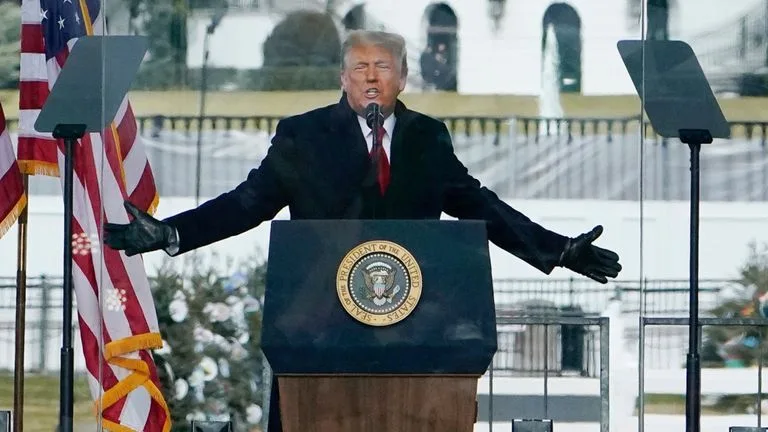
Trump’s legal team alleges the documentary edited footage of his January 6, 2021 speech in a way that falsely portrayed him as directly urging supporters to march on the US Capitol and engage in violence.
According to the complaint, segments of Trump’s speech were selectively stitched together to suggest he intended to personally accompany supporters to the Capitol and told them to “fight like hell,” creating what his lawyers describe as a misleading and defamatory narrative.
The lawsuit claims the editing was not accidental but amounted to a “false, deceptive, inflammatory and malicious” portrayal of the former and current president at a politically sensitive moment.
Trump is seeking damages of at least $5 billion (€4.6bn), arguing that the broadcast caused serious reputational harm both domestically and internationally.
A separate lawsuit filed alongside the defamation claim alleges violations of US trade practices law, also seeking $5bn in damages.
Both legal actions have been lodged in Florida, where Trump maintains residency and where his legal team argues the BBC’s content caused measurable commercial and reputational impact.
The January 6 speech remains one of the most scrutinised moments of Trump’s presidency. While he has repeatedly denied inciting violence, the storming of the Capitol by his supporters led to multiple investigations, impeachment proceedings, and ongoing political controversy.
The BBC has previously acknowledged concerns over the programme. In November, the broadcaster issued a formal apology to Trump, conceding that the editing of the clip constituted an “error of judgement”.
The corporation confirmed that the documentary would not be rebroadcast in its original form on any BBC platforms and said it regretted how the footage was presented.
However, the BBC has strongly rejected the claim that its actions amounted to defamation. In correspondence with Trump’s legal representatives, the broadcaster outlined five key arguments disputing the basis of the lawsuit.
A BBC spokesperson said the organisation “sincerely regrets” the manner in which the clip was edited but maintained that the programme as a whole did not meet the legal threshold for defamation under UK or international law.
Legal experts note that defamation cases involving public figures face a high bar, particularly in the United States, where plaintiffs must demonstrate actual malice — that false statements were made knowingly or with reckless disregard for the truth.
The case also raises broader questions about editorial responsibility, political documentaries, and the legal risks faced by international broadcasters covering polarising figures.
Trump has increasingly turned to the courts to challenge media organisations he claims have misrepresented him, positioning such lawsuits as part of a broader effort to confront what he describes as systemic media bias.
The BBC has not indicated whether it will seek dismissal of the case or contest it fully in court, but sources suggest the corporation is preparing a robust legal defence.
The lawsuit adds to mounting transatlantic tensions over media regulation, freedom of expression and the legal reach of US courts over foreign broadcasters.
The case is expected to draw intense scrutiny as it progresses, given its implications for global journalism, political accountability and the boundaries of documentary storytelling.
Editing by M10News International Desk | Contact: news@m10news.com
© 2025 M10News. All rights reserved. Unauthorised reproduction is prohibited
